
Forex Trading Strategies: A Comprehensive Guide
Forex trading can seem daunting to novice traders, but with the right strategies and techniques, it can become a rewarding endeavor. This article delves deep into various forex trading strategies that traders use across the globe. For further assistance in selecting a trading platform, consider checking forex trading strategies pdf Trading Brokers in Morocco.
Understanding Forex Trading Strategies
Forex trading strategies are systematic methods that traders use to make decisions about buying and selling currency pairs. A well-defined strategy helps traders minimize risks and maximize profits. While there are numerous strategies available, they generally fall into three primary categories: technical analysis, fundamental analysis, and sentiment analysis.
1. Technical Analysis
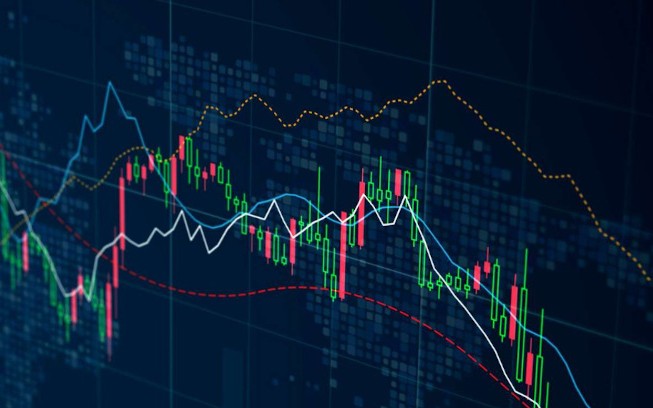
Technical analysis involves examining historical price data and trading volumes to identify patterns and trends. Traders use various tools and indicators to analyze price movements. Some popular indicators include:
- Moving Averages: These indicators smooth out price data to identify trends over a specific period.
- Relative Strength Index (RSI): This momentum oscillator measures the speed and change of price movements to evaluate overbought or oversold conditions.
- Bollinger Bands: This volatility indicator helps traders identify whether prices are high or low on a relative basis.
Traders often combine multiple indicators to enhance their strategies and achieve better results in their trades.
2. Fundamental Analysis
Fundamental analysis involves evaluating economic indicators, news events, and geopolitical factors that impact currency valuation. Traders assess factors such as interest rates, inflation, employment data, and governmental policy changes. Some key elements to consider include:
- Economic Reports: Regular reports, such as GDP growth, inflation rates, and employment figures, significantly influence currency movements.
- Central Bank Policies: Decisions made by central banks, such as changes in interest rates, can have a profound impact on currency values.
- Geopolitical Events: Political uncertainty or instability in a country can lead to fluctuations in its currency.
By staying informed about global economic conditions and events, traders can make more informed decisions.
3. Sentiment Analysis
Sentiment analysis gauges the market’s mood and overall feelings toward a particular currency or currency pair. This strategy often relies on news articles, social media trends, and trader positioning data to determine the market sentiment. Tools such as the Commitment of Traders (COT) report provide insights into trader positioning and can reveal the market sentiment towards certain pairs.

Understanding sentiment can help traders predict potential shifts in market directions, as extreme bullish or bearish sentiment may lead to market reversals.
Popular Forex Trading Strategies
Beyond the categories of analysis, various specific trading strategies have emerged, each with distinct characteristics. Here are a few popular forex trading strategies that traders utilize:
1. Day Trading
Day trading involves executing multiple trades within a single day, closing all positions before the market closes. This strategy is suitable for traders who can dedicate significant time to monitoring the markets and are skilled at making quick decisions based on real-time data. Day traders often use technical indicators to identify short-term trading opportunities.
2. Swing Trading
Swing trading focuses on capturing price swings in the market over a few days to weeks. Swing traders typically hold positions longer than day traders and rely on both technical and fundamental analysis to make decisions. This strategy is appealing to traders who prefer a less time-intensive approach compared to day trading.
3. Position Trading
Position trading is a long-term strategy where traders hold positions for weeks, months, or even years. This strategy typically involves fundamental analysis and requires a deep understanding of market conditions. Position traders are less concerned with short-term price fluctuations and focus on long-term trends.
Developing a Forex Trading Strategy
Creating a successful forex trading strategy requires a well-rounded approach that accounts for individual preferences, risk tolerance, and market conditions. Here are key steps to develop your strategy:
- Define Your Goals: Establish your long-term and short-term trading goals. Are you looking for quick profits or long-term wealth accumulation?
- Assess Your Risk Tolerance: Understand how much risk you are willing to take with each trade and set appropriate stop-loss levels.
- Choose Your Market: Decide which currency pairs to trade based on your analysis and familiarity.
- Backtest Your Strategy: Use historical data to test your strategy before applying it in live markets.
- Stay Disciplined: Stick to your strategy and avoid making impulsive decisions based on emotions or market noise.
Conclusion
Forex trading can be an exciting and potentially profitable venture when approached with sound strategies and a disciplined mindset. Whether you choose technical analysis, fundamental analysis, or sentiment analysis, understanding these concepts is crucial for success. As you develop your trading strategy, continually educate yourself and adapt to changing market conditions. With dedication and practice, you can enhance your forex trading skills and achieve your financial goals.
For further resources, consider looking for comprehensive guides and templates like a Forex Trading Strategies PDF that can help you get started on your trading journey.