
Welcome to the World of Forex Trading Schools
Are you eager to dive into the exciting world of Forex trading? You are not alone. Many aspiring traders look for education and guidance to navigate this complex financial market. One of the best ways to gain that knowledge is by attending a Forex trading school. In this article, we will explore what Forex trading is, why education is crucial, and how you can enhance your trading skills through dedicated training programs. For those serious about improving their trading journey, check out forex trading school LATAM Trading Brokers for valuable resources and brokerage options.
Understanding Forex Trading
Forex, or foreign exchange, refers to the global market for buying and selling currencies. It is one of the largest financial markets in the world, with a daily trading volume exceeding $6 trillion. Unlike stock markets, which operate on a fixed schedule, the Forex market is open 24 hours a day, five days a week. This accessibility provides ample opportunities for traders to engage in transactions at any time, making it an appealing choice.
The primary objective of Forex trading is to profit from the fluctuations in currency values. Traders can buy a currency pair when they believe a currency will strengthen against another (long position) or sell a currency pair when they believe a currency will weaken (short position). Understanding how to analyze market trends, economic indicators, and geopolitical events is crucial for successful trading.
Why Choose Forex Trading Schools?
In the world of Forex trading, knowledge can be the difference between success and failure. Many novice traders enter the market without sufficient understanding, leading to costly mistakes. Forex trading schools offer structured learning environments where individuals can acquire essential knowledge and skills. Here are several reasons to consider enrolling in a Forex trading school:
- Comprehensive Curriculum: Forex trading schools offer comprehensive courses that cover various aspects of trading, including technical and fundamental analysis, risk management, and trading psychology.
- Expert Instruction: Most schools employ experienced traders and instructors who can provide valuable insights and guidance based on real-world experience.
- Networking Opportunities: Being part of a trading school allows you to meet like-minded individuals, exchange ideas, and learn from each other.
- Access to Resources: Many trading schools provide access to trading platforms, tools, and additional educational resources.
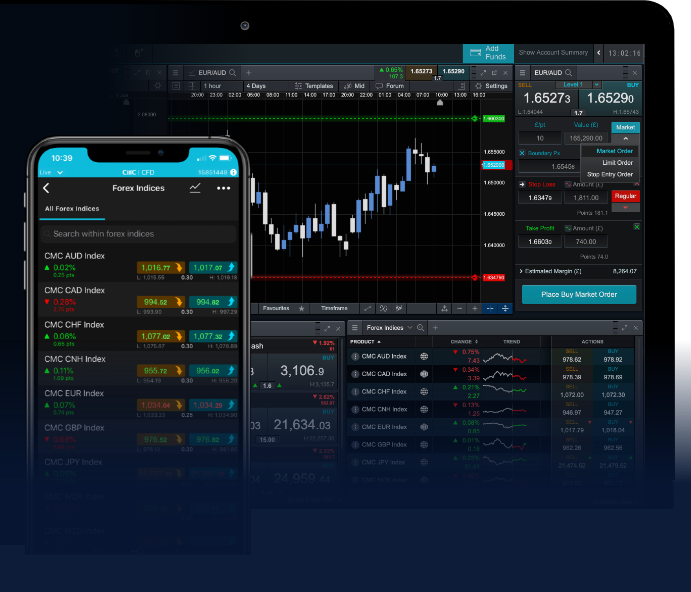
Key Components of Forex Trading Education
When attending a Forex trading school, several key components will play a significant role in your learning experience:
1. Technical Analysis
Technical analysis involves analyzing historical price charts to identify trends and potential entry and exit points. Traders use various indicators, such as moving averages, RSI, and Fibonacci retracement levels, to make informed decisions based on price action.
2. Fundamental Analysis
Fundamental analysis focuses on economic indicators, news events, and geopolitical developments that may influence currency values. Understanding how factors like interest rates, employment reports, and inflation impact currency exchange rates is crucial for successful trading.
3. Risk Management
Effective risk management is essential for protecting your capital. A reputable Forex trading school will teach you about position sizing, stop-loss orders, and risk-to-reward ratios to help you minimize potential losses while maximizing gains.
4. Trading Psychology

Emotions play a significant role in trading decisions. Learning about trading psychology will help you manage your emotions, stay disciplined, and stick to your trading plan, even during challenging market conditions.
Choosing the Right Forex Trading School
With numerous Forex trading schools available, selecting the right one can be overwhelming. Here are some factors to consider when making your choice:
- Reputation: Research the school’s reputation by reading reviews, testimonials, and success stories from former students.
- Course Offerings: Ensure the school offers a comprehensive curriculum that covers all aspects of Forex trading.
- Instructor Qualifications: Check the background and qualifications of the instructors to ensure you are learning from experienced professionals.
- Flexibility: Consider whether the school offers online classes or in-person training so that you can choose the format that best suits your lifestyle.
Continuing Your Education and Practice
After completing a Forex trading school program, the learning journey shouldn’t stop. The Forex market is dynamic, and continuous education is vital for staying ahead. Here are some ways to further develop your skills:
- Join Trading Communities: Participate in forums, online communities, and social media groups where traders share tips, insights, and experiences.
- Practice on Demo Accounts: Use demo trading accounts to practice trading strategies without risking real money. This is an excellent way to apply what you’ve learned in a risk-free environment.
- Stay Informed: Keep up with economic news, market analysis, and trading strategies by following reputable financial news sources and blogs.
Final Thoughts
Forex trading can be a rewarding endeavor if approached with the right education and mindset. Attending a Forex trading school is an excellent step toward mastering the skills needed to navigate the Forex market successfully. Remember to continuously practice, learn, and adapt to the ever-changing market conditions. By investing in your education and development, you can increase your chances of becoming a successful Forex trader.