

Automated Trading in Forex: A Comprehensive Guide
In the fast-paced world of Forex trading, where decisions need to be made swiftly and accurately, automated trading forex Online Trading CM offers innovative solutions through automated trading systems. This technology has revolutionized how traders operate, allowing for enhanced precision and reduced emotional intervention. In this article, we delve into the mechanics of automated trading, discussing its advantages, potential pitfalls, and how to effectively implement it in your trading strategy.
What is Automated Trading?
Automated trading, often referred to as algorithmic trading, is the process of using computer programs and algorithms to execute trades automatically. Traders design these algorithms based on specific trading strategies, parameters, and market conditions. The primary goal of automated trading is to take advantage of market opportunities without the need for constant human oversight.
Benefits of Automated Trading
1. Speed and Efficiency
One of the most significant advantages of automated trading is the speed at which trades can be executed. Algorithms can process market data and execute trades in milliseconds, which is crucial in volatile Forex markets where prices can move quickly.
2. Emotion-Free Trading
Emotions can often lead traders to make impulsive decisions, which can jeopardize their trading success. Automated trading removes human emotions from the equation, allowing for more disciplined and systematic trading. This is particularly beneficial for novice traders who may struggle with the psychological aspects of trading.
3. Backtesting Capabilities
Automated trading systems allow traders to backtest their strategies using historical data to evaluate their effectiveness before implementing them in real-time trading. This feature significantly reduces the risk of financial loss.
4. 24/5 Market Coverage
The Forex market operates 24 hours a day, five days a week. An automated trading system can continuously monitor the market and execute trades at any time, ensuring that potential trading opportunities are not missed, regardless of the trader’s availability.
Challenges of Automated Trading
1. Software and Technical Issues
Automated trading systems rely heavily on technology. Problems such as software glitches, internet connectivity issues, or hardware failures can result in missed trades or financial losses. Traders must ensure they have reliable systems in place to mitigate these risks.
2. Over-Optimization
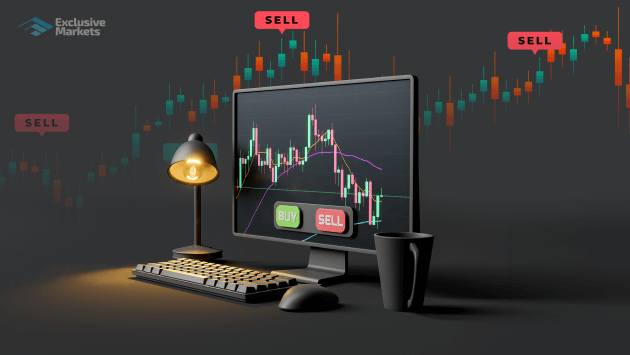
While backtesting is a valuable tool, traders may fall into the trap of over-optimizing their strategies to fit past market data. This can lead to strategies that perform well on historical data but fail in real market conditions. It’s essential to find a balance in strategy development.
3. Lack of Flexibility
Automated trading systems can struggle with unexpected market events or changes in market conditions that were not accounted for in the original algorithm. Traders need to monitor and adjust their systems as necessary to adapt to shifting dynamics.
Getting Started with Automated Trading
1. Choose a Trading Strategy
The first step in automated trading is to determine which strategy aligns with your trading goals. This could involve trend following, arbitrage, statistical analysis, or other strategies that can be programmed into an algorithm.
2. Select a Trading Platform
Selecting a suitable trading platform that supports automated trading is crucial. Look for platforms that offer a wide range of tools and features for algorithm development and execution. Popular platforms include MetaTrader 4, MetaTrader 5, and various others that cater to automated trading needs.
3. Develop Your Trading Algorithm
Developing a robust trading algorithm requires understanding both trading principles and programming. While many traders may choose to create their algorithms, others may opt for ready-made solutions that can be customized to fit their needs.
4. Conduct Backtesting
Before deploying your algorithm in live market conditions, conduct thorough backtesting using historical data. This process will help refine your strategy, identify potential pitfalls, and ensure that your algorithm performs as expected.
5. Start Trading with Caution
When you feel confident in your automated trading system, start with a small investment. Monitor its performance closely and make adjustments as necessary. Gradually scaling up your investment will help minimize risks as you gain experience and clarity on how your algorithm performs in real-time trading.
Conclusion
Automated trading in Forex offers numerous benefits, from speed and efficiency to emotion-free trading and round-the-clock market coverage. However, it is not without challenges, including technical issues and the risk of over-optimization. With careful planning, backtesting, and ongoing adaptation, traders can harness the power of automated trading to enhance their trading strategy and potentially improve their profitability in the dynamic Forex market.
As automated trading continues to evolve, aspiring traders should stay informed about the latest developments and best practices to ensure they leverage this technology effectively.