

The Secrets to Successful Forex Trading: A Comprehensive Guide
Forex trading, or foreign exchange trading, is one of the largest and most liquid markets in the world, with a daily trading volume exceeding $6 trillion. This dynamic marketplace provides opportunities for individuals and institutions to buy, sell, and exchange currencies. Whether you’re a seasoned trader or a complete beginner, understanding the ins and outs of Forex trading is essential for achieving success in this exciting financial ecosystem. In this article, we’ll explore critical aspects of Forex trading and present you with valuable insights to enhance your trading journey, including resources like forex trading acev.io that can help you sharpen your trading skills and knowledge.
Understanding the Basics of Forex Trading
At its core, Forex trading involves the exchange of one currency for another, typically performed in pairs. For instance, when trading the EUR/USD pair, you buy euros while simultaneously selling U.S. dollars. Currency prices fluctuate based on various factors, including economic indicators, geopolitical events, and market sentiment. Familiarizing yourself with these fundamentals will enhance your decision-making abilities when entering trades.
Currency Pairs and Types
Currencies are quoted in pairs because you are simultaneously buying one currency and selling another. There are three main categories of currency pairs:
- Major Pairs: These include the most frequently traded currencies, such as EUR/USD, USD/JPY, and GBP/USD.
- Minor Pairs: These pairs involve currencies that are less frequently traded, such as EUR/GBP and AUD/NZD.
- Exotic Pairs: These involve a major currency paired with a currency from a developing economy, like USD/TRY (U.S. Dollar/Turkish Lira).
The Mechanics of Forex Trading
Forex trading occurs over-the-counter (OTC), meaning transactions are made directly between parties through electronic networks rather than centralized exchanges. This decentralized structure allows for 24-hour trading from Monday to Friday. The market can be accessed via brokers who provide platforms for traders to execute their trades.
Leverage and Margin in Forex Trading
One of the most attractive features of Forex trading is the ability to use leverage, allowing traders to control larger positions with smaller amounts of capital. For example, a leverage ratio of 100:1 means that for every $1 in your trading account, you can control $100 in the market. While leverage can amplify profits, it also increases potential losses, making risk management essential.
Developing a Trading Strategy
Having a solid trading strategy is crucial for success in Forex trading. A well-defined strategy helps traders make informed decisions based on set criteria rather than emotional reactions. Common trading strategies include:
- Day Trading: Involves opening and closing positions within the same trading day to capitalize on small price movements.
- Swing Trading: Traders hold positions for several days or weeks to benefit from price fluctuations.
- Scalping: A fast-paced strategy that seeks to make numerous small profits by holding positions for a few seconds or minutes.
Risk Management in Forex Trading
No matter how proficient you are at trading, risk management is critical. It protects your capital and ensures that no single trade can significantly impact your overall account balance. Here are some risk management techniques to consider:
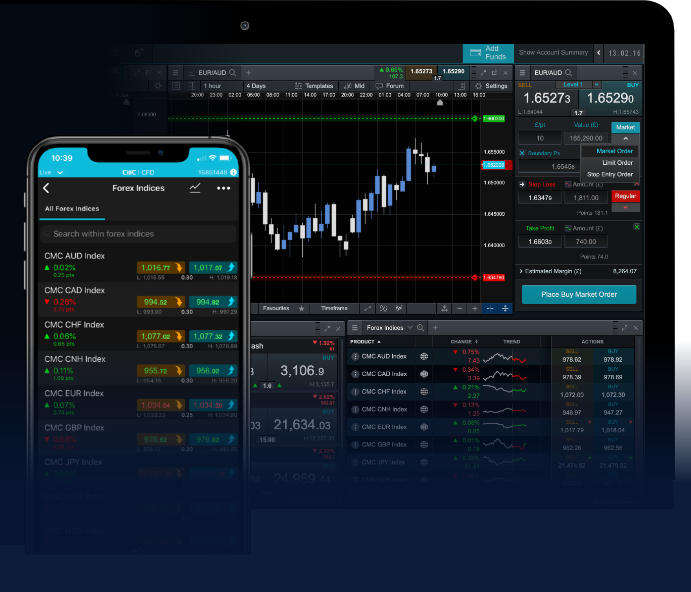
- Set Stop-Loss Orders: Define a specific price level at which to exit a losing trade to limit potential losses.
- Use Take-Profit Orders: Establish a target price at which to close a profitable trade, securing gains before market reversals can occur.
- Limit Leverage: While high leverage can increase profits, it also magnifies risk, so balance is essential.
Choosing a Reliable Forex Broker
Choosing the right Forex broker is a vital step in your trading journey. Factors to consider include:
- Regulation: Ensure your broker is regulated by a reputable authority to protect your funds.
- Trading Platform: Look for user-friendly platforms with essential tools and resources that suit your trading style.
- Customer Service: A responsive support team can be invaluable, especially for beginners.
Continuous Education and Market Analysis
The Forex market is constantly evolving, making ongoing education essential. Staying updated on economic developments, learning new techniques, and analyzing market trends can provide an edge. Utilize resources such as webinars, trading courses, and expert analyses to enhance your knowledge.
Additionally, practicing with demo accounts can help you familiarize yourself with the trading platform and develop your skills without risking real money.
Conclusion
Forex trading can be an exciting and rewarding venture, but it requires a disciplined approach, thorough understanding of market mechanics, and effective risk management strategies. By developing a robust trading plan, continually educating yourself, and utilizing available resources such as acev.io, you’ll be better equipped to navigate this dynamic market and enhance your chances of success.